Meta Store
I co-led the internal creative team responsible for the design and development of the first Meta Store from concept through opening day. The project was a large cross-functional coordination with a myriad of teams across the company with Brand Design and Reality Labs leading the charge on all aspects from architecture and merchandising to customer demos and employee toolsets.
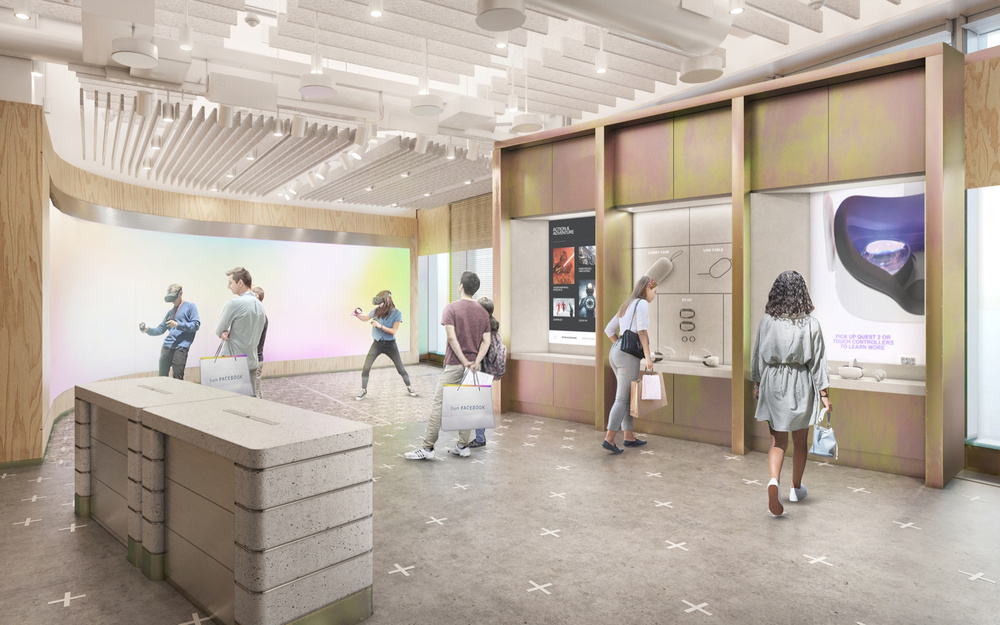
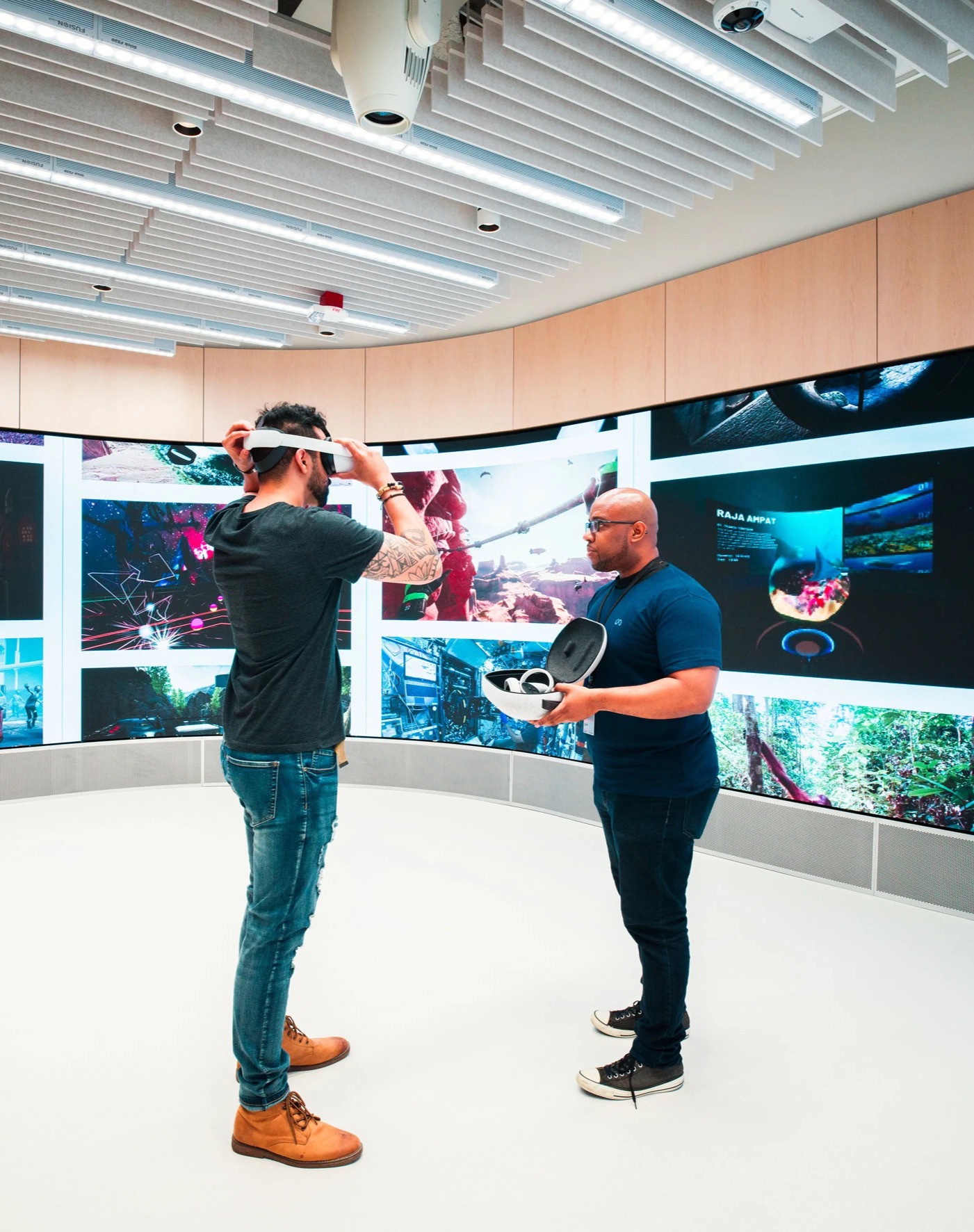
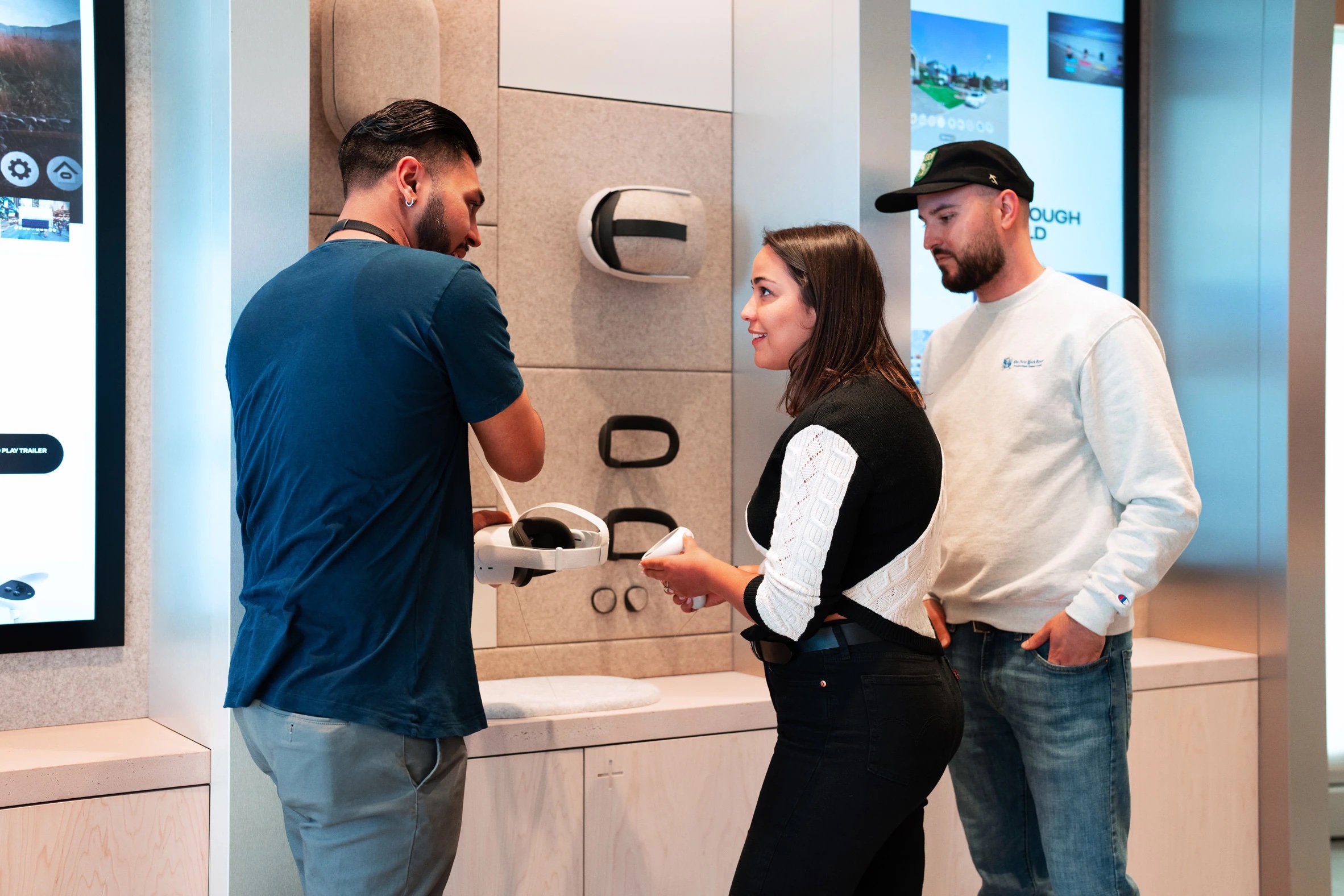
The experience-led retail model was designed around integrated, immersive product demos, where Meta's hardware products convey the promise of connection through spatial computing. Creative tech, such as real-time mixed reality and assistive demo technologies were built by this team to share the tech with people in a compelling way.
I - Objective
II - Unveiling Meta
III - Brand and Interaction
IV - Experiential Innovation
V – Concept Renders
Dezeen | The Verge | Techcrunch
Adweek | Protocol | Fast Co


Objective
Demonstrate the power of Meta's hardware products and unlock the possibilities of spatial computing for everyday people.
Develop scaleable interactive paradigms to deploy at future events, experiences, and retail settings globally.
Unveiling Meta
Beyond the initial goals for the store, the retail project served as the first opportunity to share the new brand identity.
Brand and Interaction
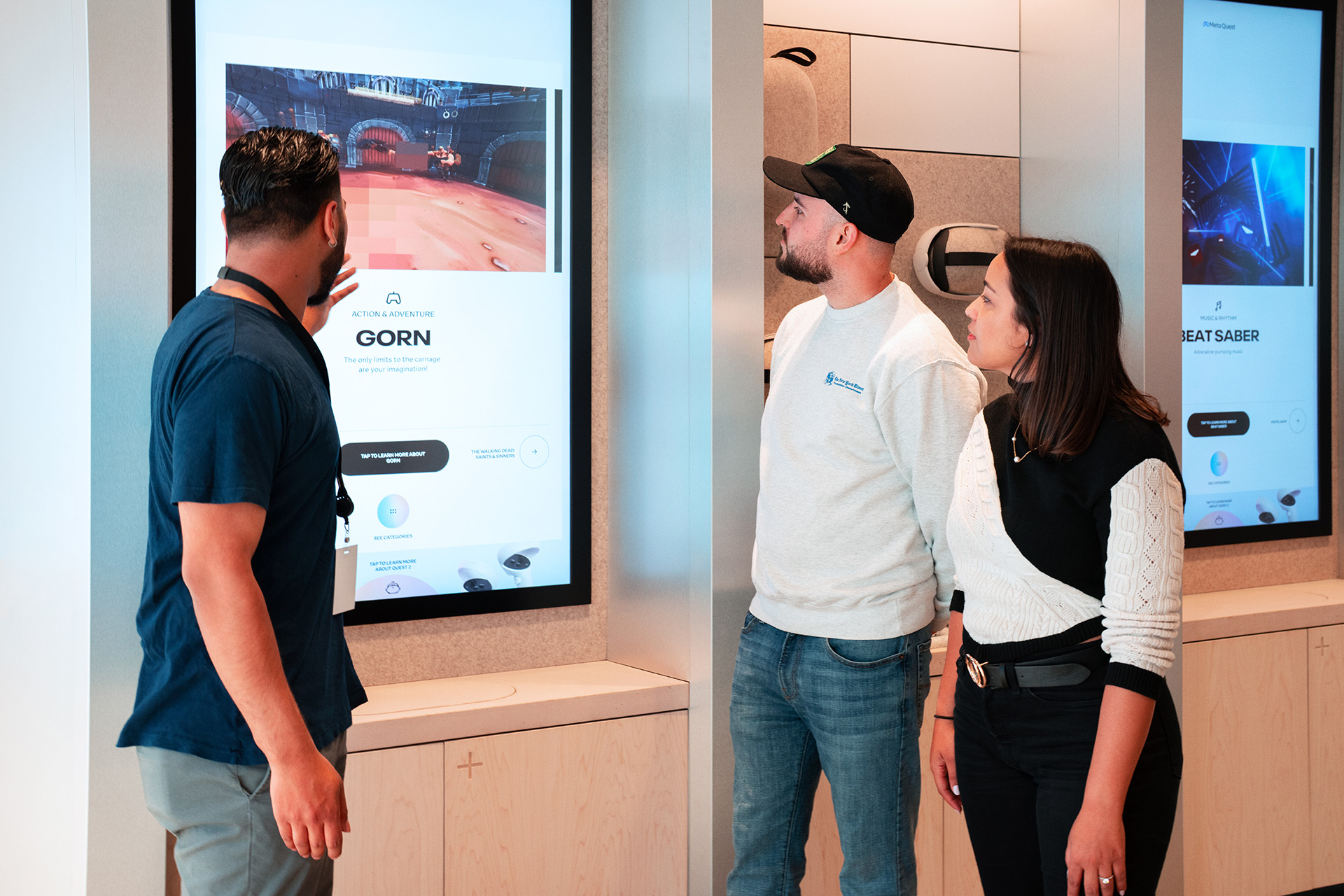
We inverted our retail design model and envisioned the Meta Store as an opportunity to develop best-in-class digital interactives informing all other events, experiences and retail opportunities for the brand. The store project served as critical proving ground for testing out the new Meta brand identity and hands-on interactives in support of Meta hardware.
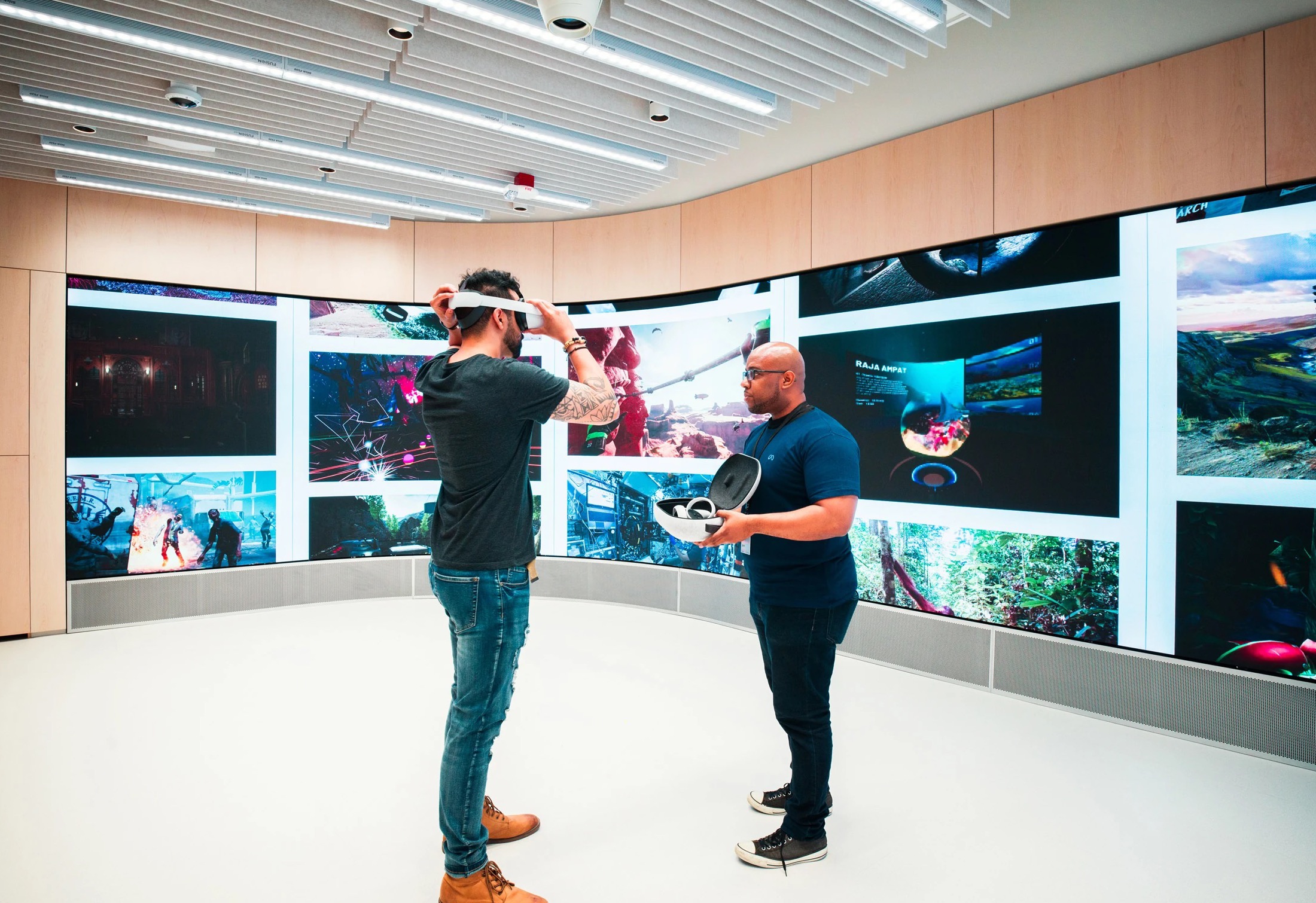

We created a cohesive suite of tools to help customers and store employees navigate all aspects of the retail experience and wove these interactions into existing Meta products such as Messenger and Instagram.
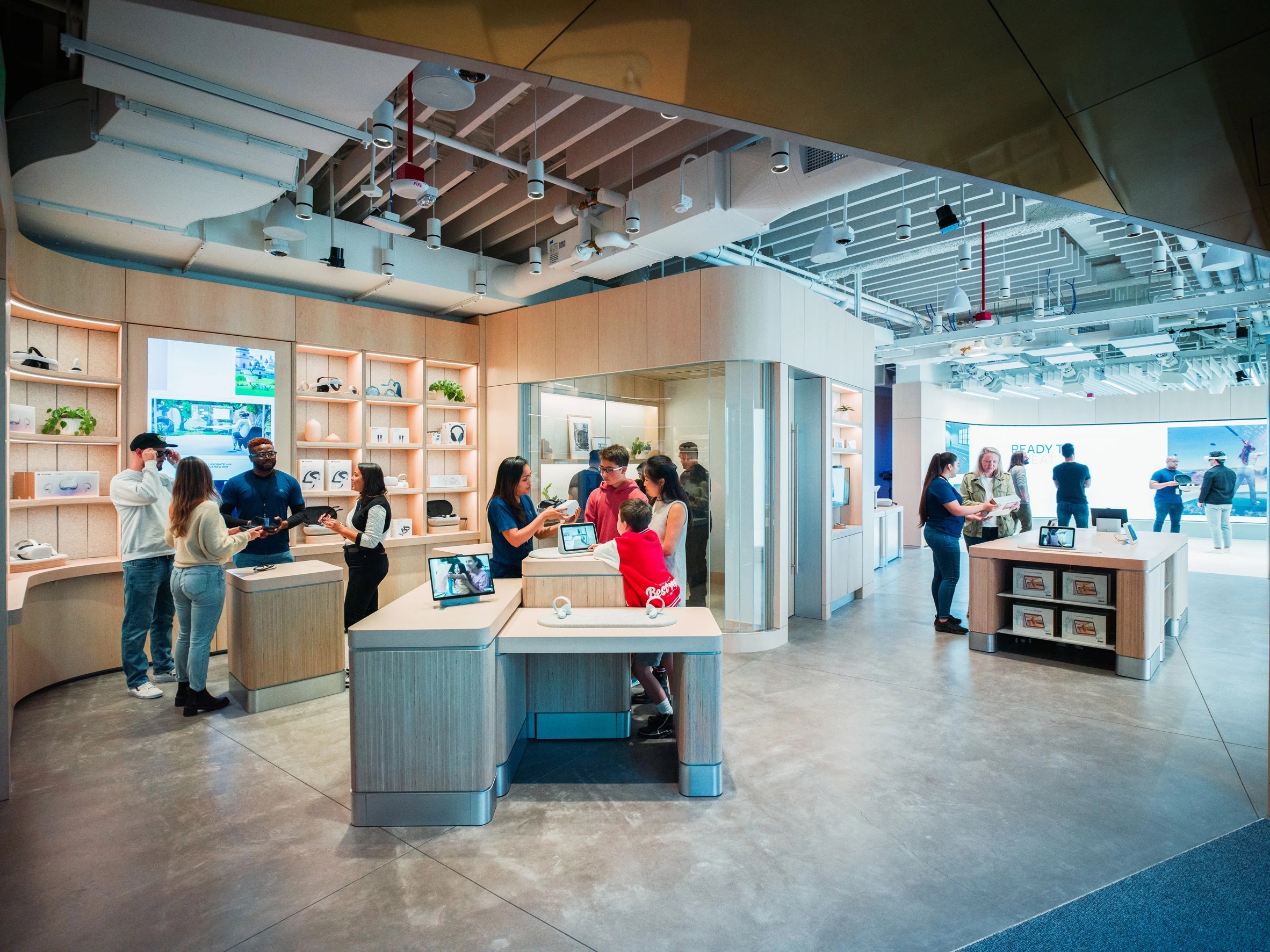
Experiential Innovation
The strongest positive driver in a customer's "Intent to Purchase" is a hands-on product demonstration while the single most challenging hurdle to driving demos is helping people understand "what's inside the headset"
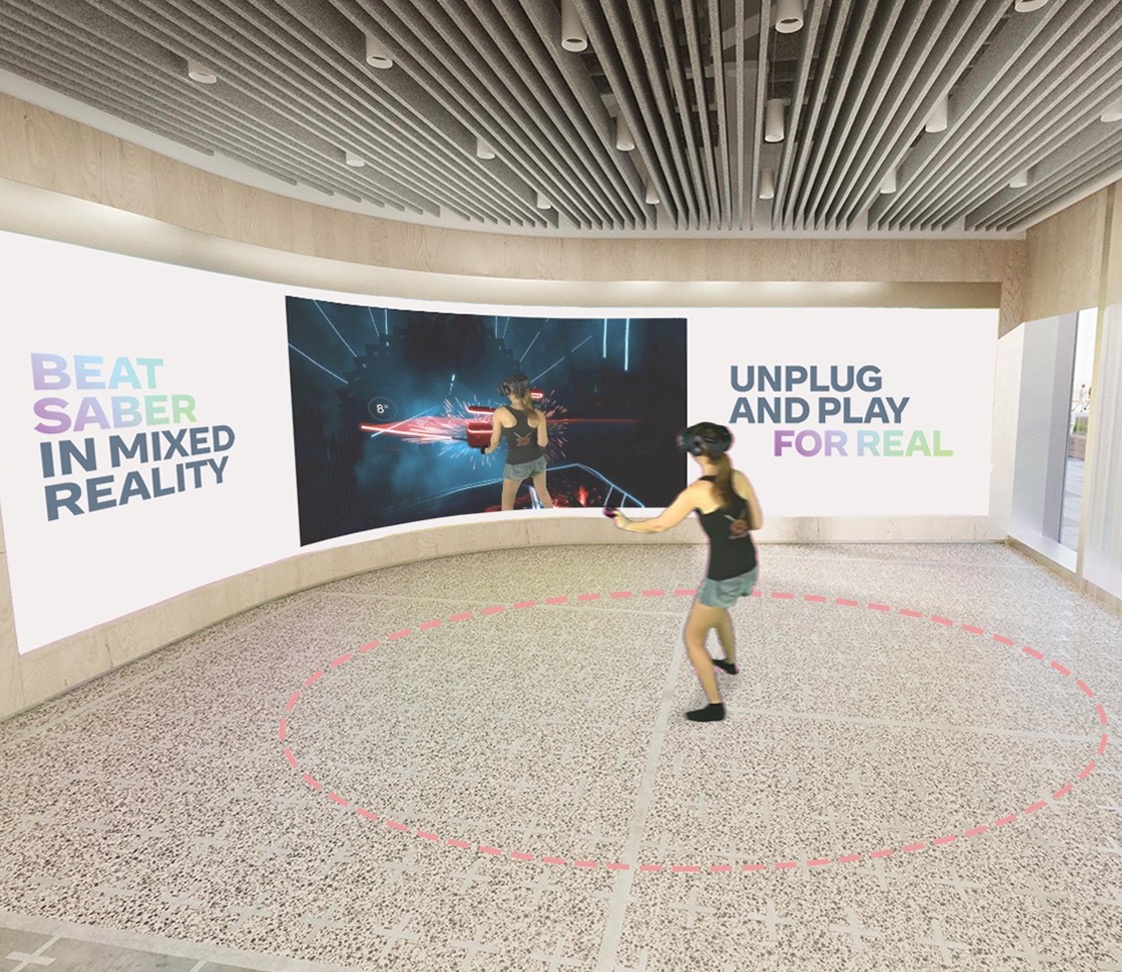
Concept: Mixed Reality Capture & Cast:
We set out to create a system that could demonstrate "what's happening in headset" with a real-time composited image of demo participant's physical likeness dropped into a game environment.
We designed a system to capture two layers of information/content in tandem:
- Dynamic depth data of our participant
- Standard motion video in real-time.
The depth data provided us with a live cut line that we applied atop the standard motion video. The green area refers to everything outside the cut line.
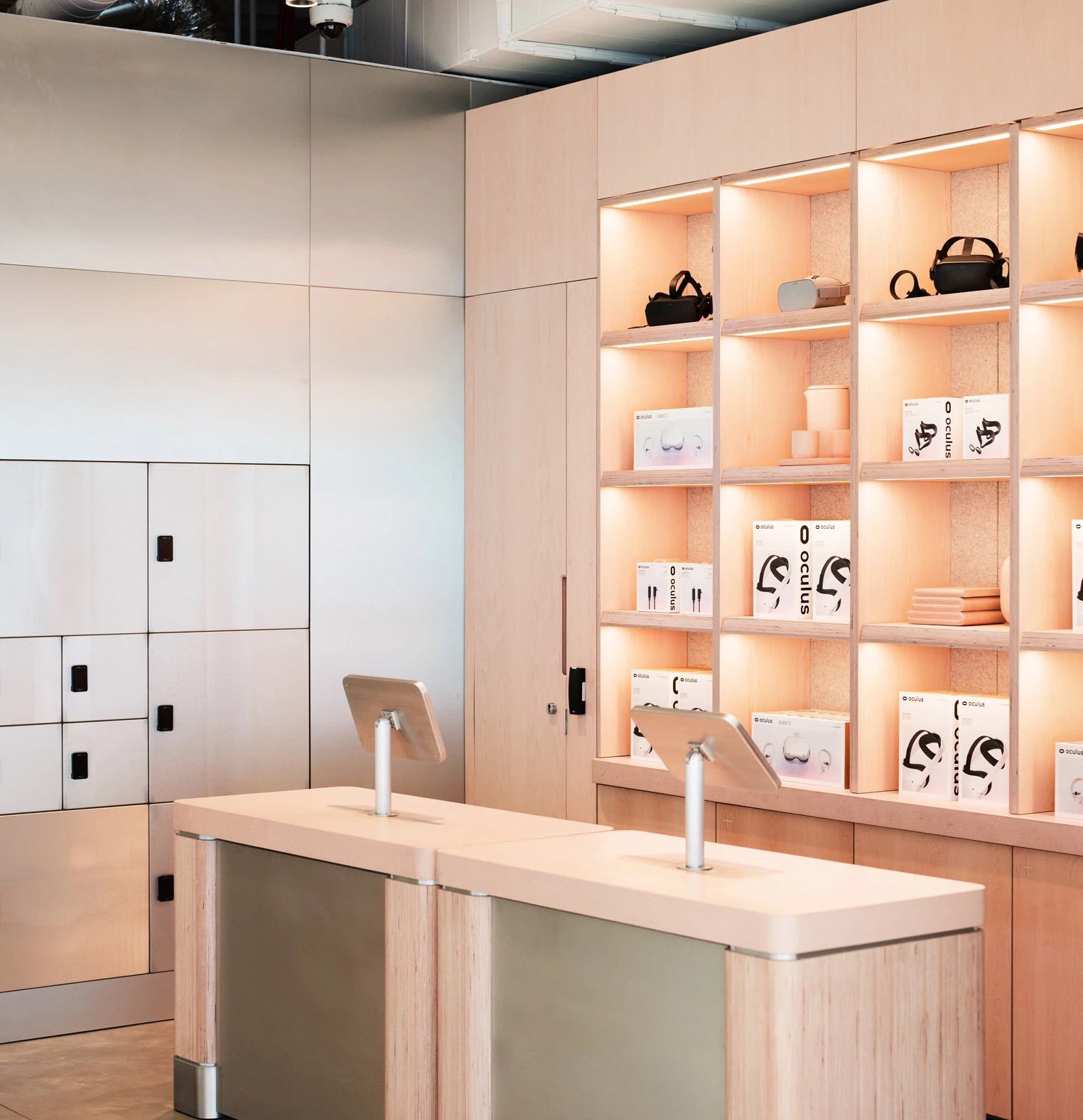
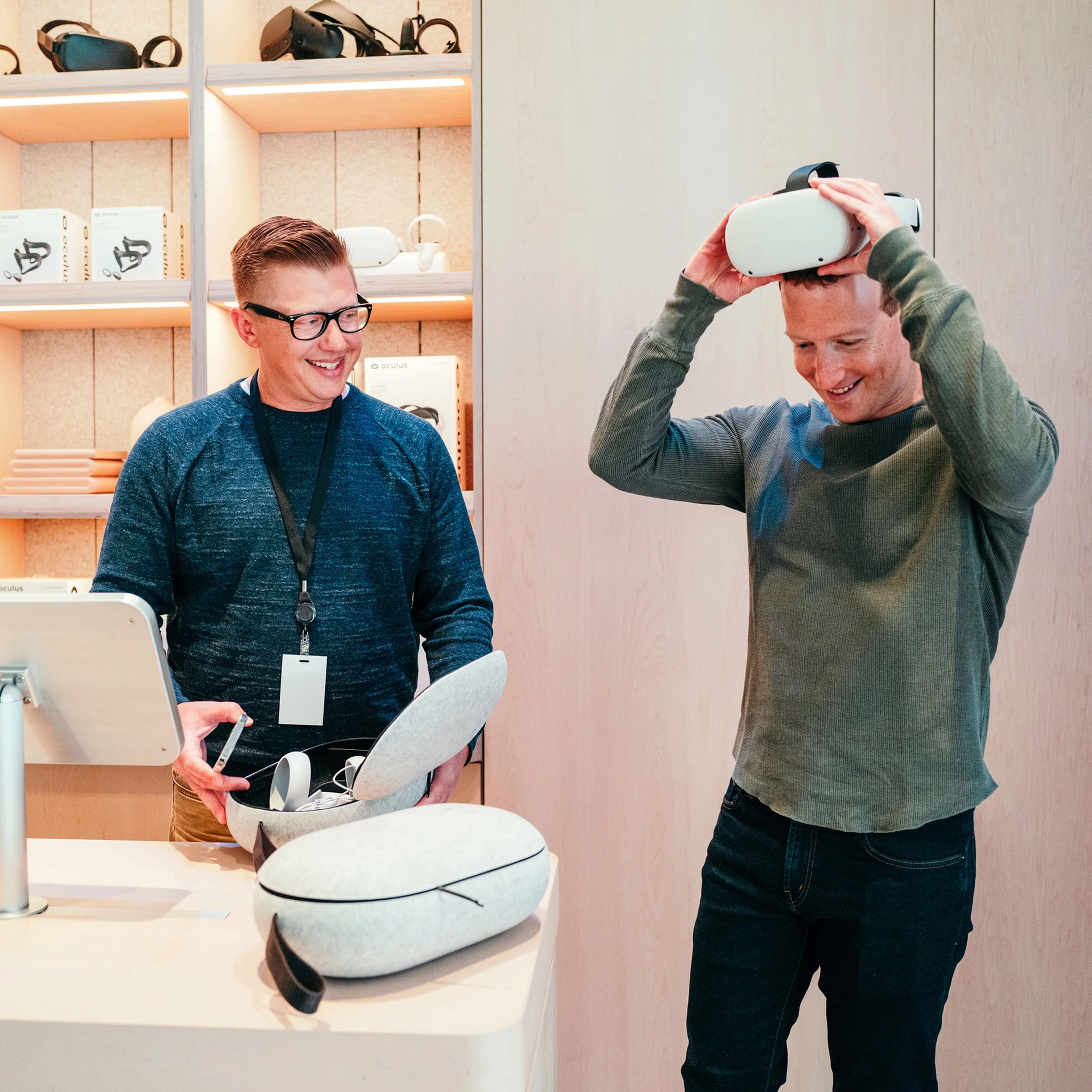
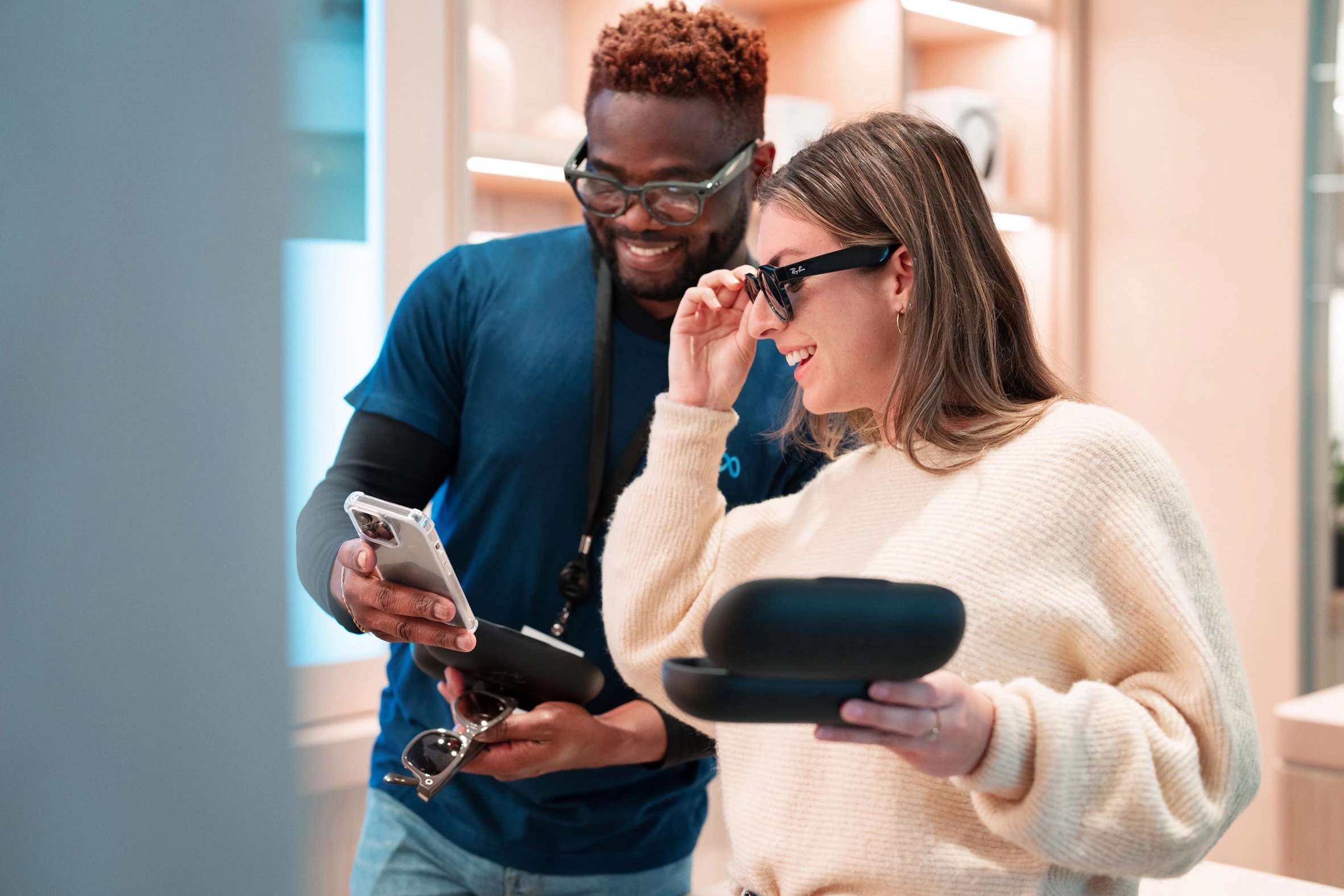
The retail model was built around a high-touch service design model and the core tenet of meeting customers where they are.

Concept Renders